

Payload vs. Towing Capacity: What Every Truck Buyer in Abilene Needs to Know
Why This Distinction Trips Up So Many Buyers
Whether you are hauling a horse trailer out to a weekend show, pulling a fifth-wheel camper across Texas, or loading a welding rig for a job site, two numbers matter more than horsepower or price: payload and towing capacity. They sound similar, they get used interchangeably in casual conversation, and mixing them up is one of the most common and most expensive mistakes a truck buyer can make. At Arrow Point Auto Mall, our team fields this question constantly, so here is the straightforward explanation, without the marketing spin.

Payload Capacity: What Your Truck Can Carry
Payload is the total weight your truck can safely carry within itself, meaning everything added to the empty vehicle: passengers, cargo in the bed or cabin, tools, and critically, any tongue or pin weight from a trailer. The math starts with your truck's Gross Vehicle Weight Rating, or GVWR, which is the maximum the fully loaded truck is allowed to weigh. Subtract the truck's curb weight, meaning the truck as it sits empty with fluids and fuel, and what is left is your payload.
The advertised maximum payload figure you see in ads and window stickers usually reflects the lightest possible configuration of that model, not the specific truck sitting on the lot. Every truck has its actual payload rating printed on a yellow sticker inside the driver's door jamb, and that number is the one that matters for your specific vehicle, not the number in the brochure.
Towing Capacity: What Your Truck Can Pull
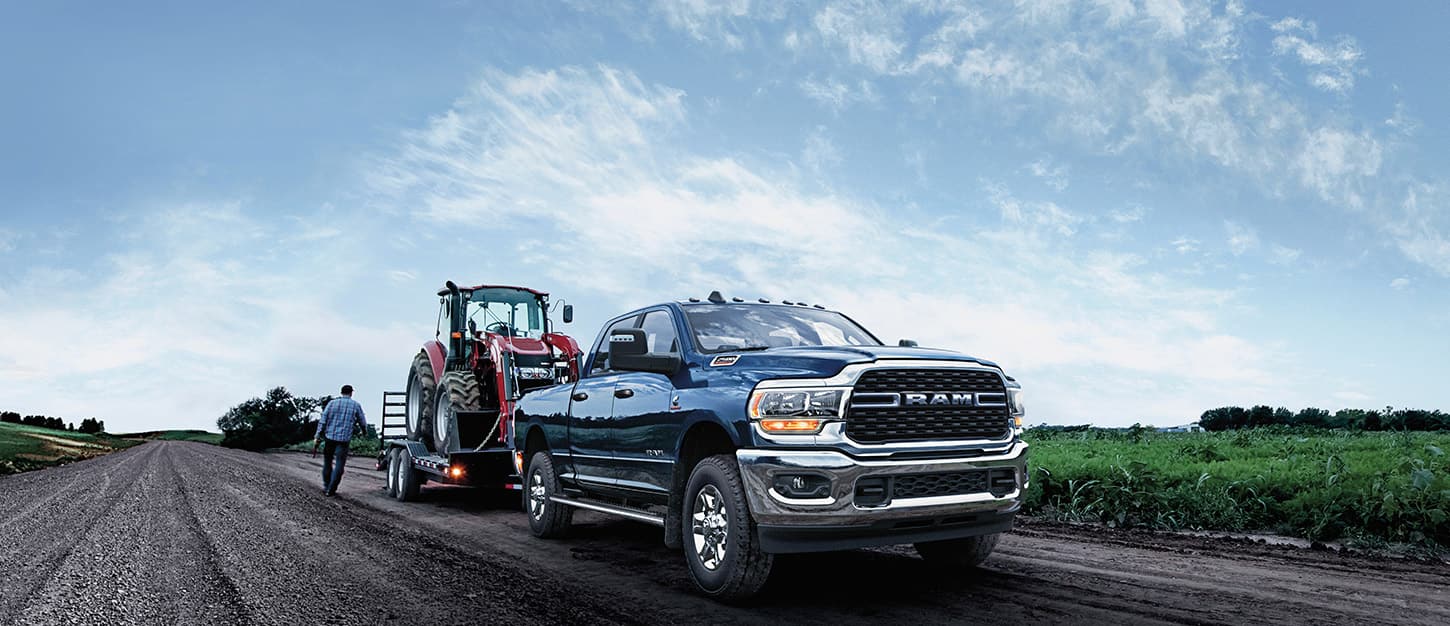
Towing capacity is the maximum weight your truck can pull behind it, and it is governed by a different number entirely: Gross Combined Weight Rating, or GCWR. This is the maximum allowable weight of the truck and trailer together, both fully loaded. Because GCWR is fixed, adding weight to one side of the equation eats into what is available on the other. A truck's advertised max tow rating almost always assumes a nearly empty cab and bed, so loading up passengers, tools, and gear before you hitch up a trailer will reduce how much you can safely tow before you hit that combined limit.
Half-Ton vs. Heavy-Duty: How Much Do You Actually Get?
Capacity varies widely by class, engine, cab, and bed configuration, so treat the figures below as a starting point rather than a guarantee for any specific used truck. Half-ton trucks like the Ford F-150, Chevrolet Silverado 1500, GMC Sierra 1500, and Ram 1500 typically offer payload in the 1,500 to 3,300 pound range and conventional towing anywhere from 6,000 to just over 13,000 pounds depending on engine and tow package. Move up to a 3/4-ton or 1-ton truck, such as an F-250, F-350, Silverado or Sierra 2500HD/3500HD, or Ram 2500/3500, and payload climbs to roughly 3,000 to 7,500-plus pounds, with conventional towing in the 14,000 to 20,000-plus pound range. Top heavy-duty diesel dually configurations can push fifth-wheel or gooseneck towing numbers as high as 30,000 to 40,000 pounds.
For a closer look at three of the most popular half-ton options side by side, our full comparison of the F-150, Silverado 1500, and Ram 1500 breaks down exact figures for each.
| Model | Max Towing | Max Payload |
|---|---|---|
| Ford F-150, EcoBoost V6, Max Tow Package | ~13,500 lbs | ~2,440 lbs |
| Chevrolet Silverado 1500, V8 or Duramax diesel | ~13,300 lbs | ~2,260 lbs |
| Ram 1500, Hurricane twin-turbo I-6 | ~11,610 lbs | ~2,360 lbs |
| Typical 3/4-ton / 1-ton, F-250/350, 2500HD/3500HD, Ram 2500/3500 | 14,000-20,000+ lbs | 3,000-7,500+ lbs |
Matching the Truck to the Trailer
Different trailer types put weight on your truck in different ways, and each has its own quirks worth understanding before you buy.
Horse Trailers
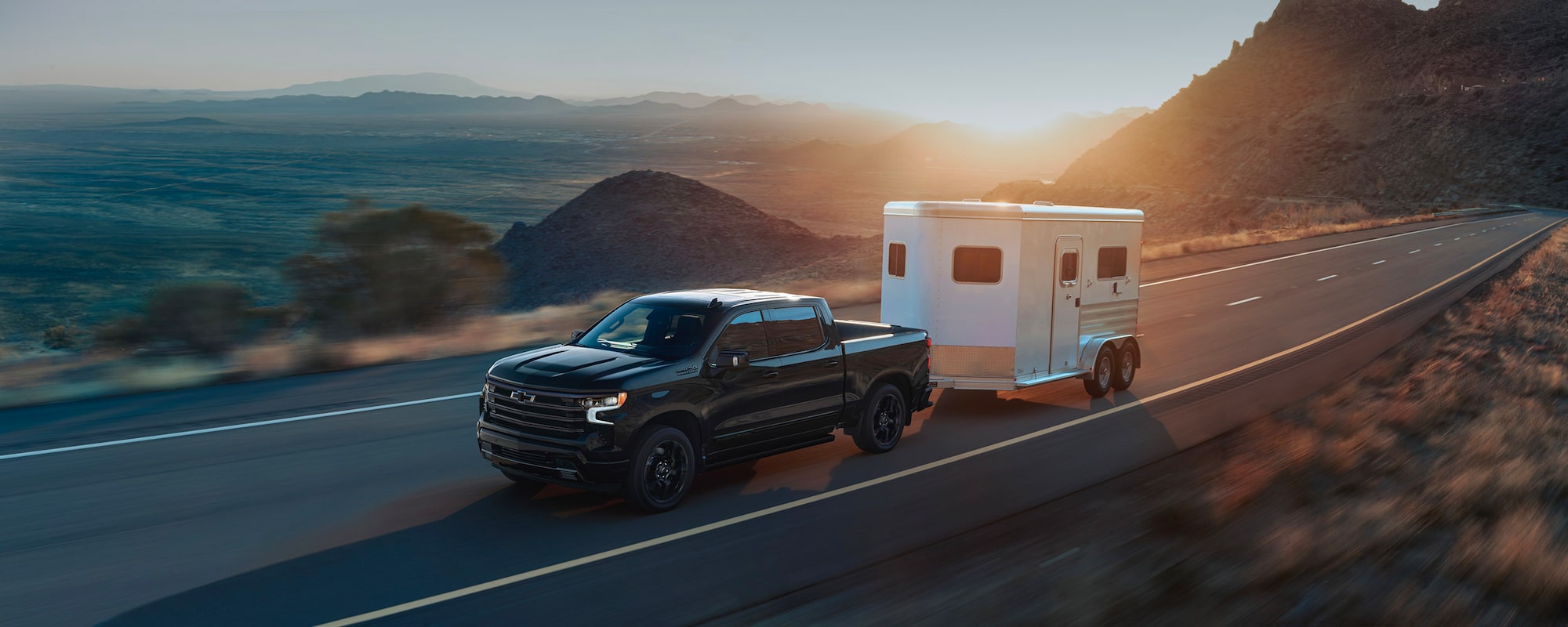
Live cargo shifts, and a trailer full of horses, water, and hay weighs meaningfully more than its empty, dry weight. Size your truck to the trailer's fully loaded GVWR, not the number on the trailer's spec sheet for an empty unit, and remember that a horse trailer's tongue weight counts directly against your truck's payload.
Fifth-Wheel and Gooseneck Campers
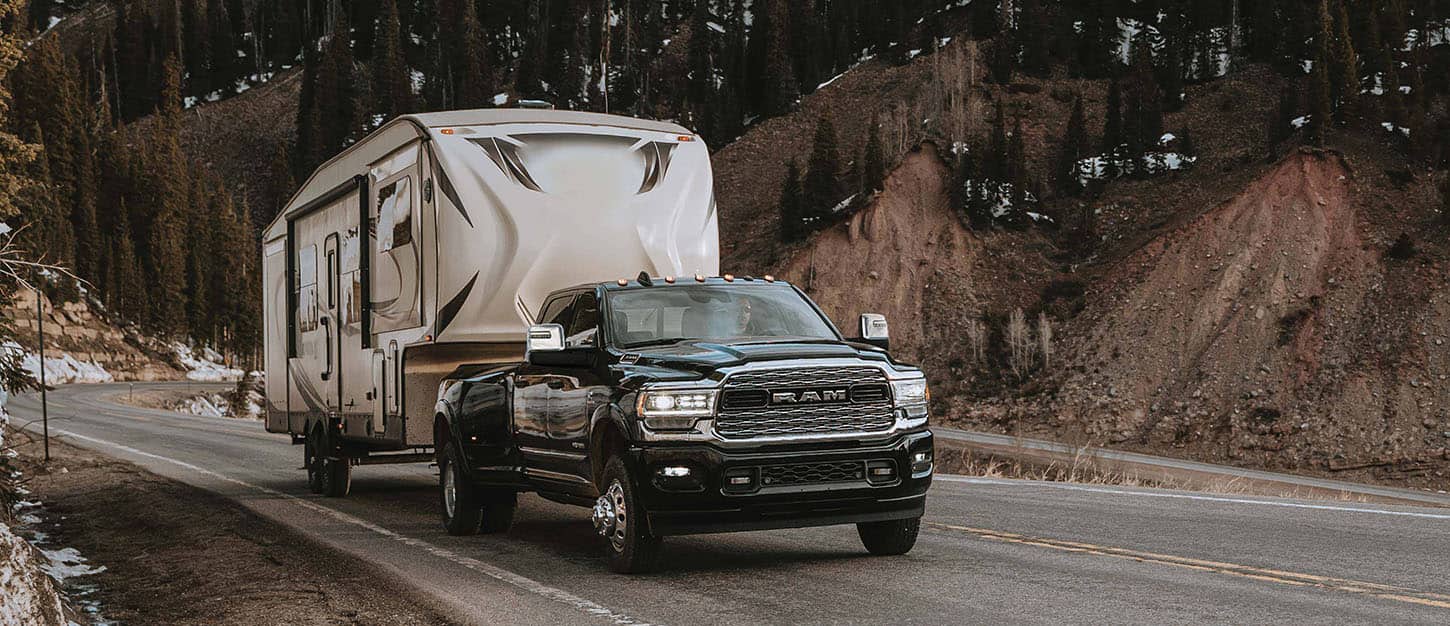
This is the single most misunderstood part of towing math. A fifth-wheel or gooseneck trailer's pin weight, typically 15 to 25 percent of the trailer's total weight, sits directly over your truck's rear axle as payload, not as towing weight. A large fifth-wheel camper can consume most of a half-ton truck's available payload before the towing calculation even starts, which is why heavier fifth-wheel setups usually call for a 3/4-ton or larger truck.
Welding Rigs and Work Trailers
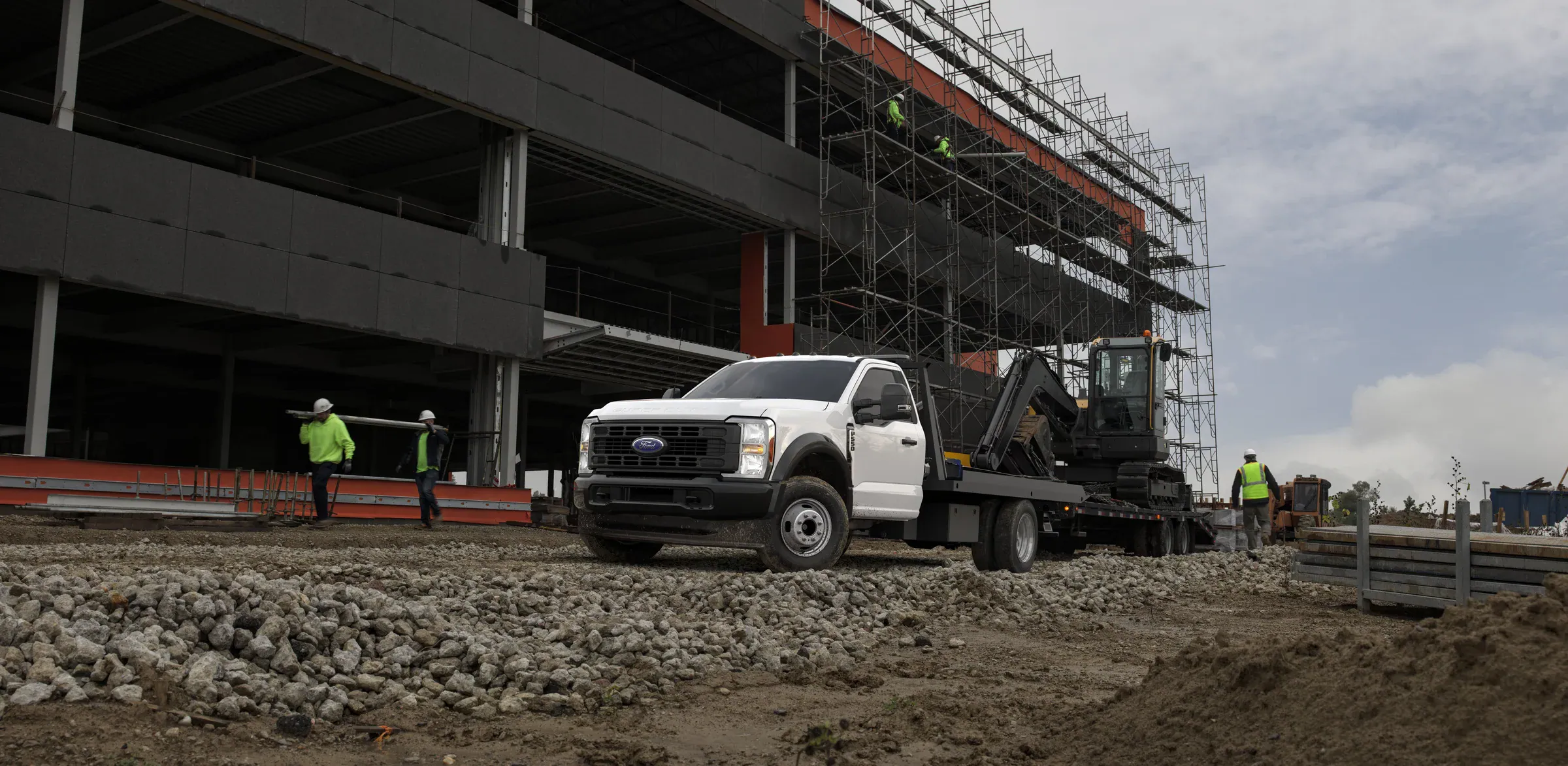
Work trailers are deceptively heavy once you add steel, a generator, tanks, and tools, so the trailer's advertised empty weight tells you very little. Get the loaded rig on a scale before you assume it fits comfortably within your truck's ratings, especially if it will be riding behind the truck daily rather than on the occasional weekend trip.
The Biggest Mistake Buyers Make
The number one error is treating the advertised max tow rating as a real-world number for a truck loaded with a driver, passengers, and gear. Every pound added to the cab or bed is a pound subtracted from what you can safely tow before hitting GCWR. The second most common mistake is skipping the CAT scale entirely. If you tow regularly, especially anything close to your truck's rated capacity, weighing the fully loaded truck and trailer combination at a certified scale takes the guesswork out of the equation and confirms you are within both your payload and towing limits, not just one of them.
What to Check Before You Buy a Tow-Ready Used Truck
Start by checking the driver's door jamb sticker for the specific truck's actual GVWR and payload rating, since options and prior modifications can change these numbers from what a generic listing suggests. Inspect the hitch, wiring harness, and brake controller if the truck is already set up for towing, and ask about maintenance history, particularly if you are looking at a diesel model that has towed heavy loads regularly. Every vehicle at Arrow Point Auto Mall includes a Carfax vehicle history report, which is worth reviewing alongside our guide to the benefits of buying a pre-owned truck before you commit to a specific model.
Why Buy Your Tow-Ready Truck from Arrow Point Auto Mall
Arrow Point Auto Mall keeps a deep, regularly updated inventory of half-ton and heavy-duty used trucks, and our team can talk through payload and towing math with you before you ever sign anything. If you are still deciding between models, our F-150 vs. Silverado 1500 vs. Ram 1500 comparison is a good next stop, or browse trucks priced under $25,000 to see what fits your budget. You can also check out our current used vehicle specials or read what other truck owners are saying in our customer reviews.
Ready to Find Your Next Truck?
Frequently Asked Questions
What is the actual difference between payload and towing capacity?
Payload is how much weight your truck can carry within itself, including passengers, cargo, and any trailer tongue or pin weight, based on its GVWR minus curb weight. Towing capacity is how much your truck can pull behind it, based on its GCWR minus curb weight. They are related but governed by different limits, and both matter any time you tow.
Where do I find my specific truck's actual payload rating?
Check the yellow sticker on the driver's door jamb. It lists the actual GVWR and payload for that specific vehicle's configuration, which can differ from the advertised maximum payload figure for the model line as a whole.
How much does a fifth-wheel hitch affect my truck's payload?
A fifth-wheel or gooseneck trailer's pin weight, typically 15 to 25 percent of the trailer's total weight, counts directly against your truck's payload capacity, not its towing capacity. This is why a large fifth-wheel camper often requires a heavier-duty truck than the towing number alone would suggest.
Can I use my truck's full payload and full towing capacity at the same time?
Not usually. Both are capped by your truck's GVWR and GCWR, so loading the bed or cabin close to max payload while also towing near max capacity can push you over your truck's combined weight rating. It is worth doing the math for your specific load rather than assuming both maximums apply simultaneously.
What truck should I buy for hauling a horse trailer?
It depends on the trailer's fully loaded weight, including horses, water, and hay, not just its empty weight. A well-equipped half-ton truck can handle a smaller two-horse bumper-pull trailer, while larger living-quarters trailers usually call for a 3/4-ton or 1-ton truck. Our team can help match a specific used truck to your trailer's actual GVWR.
Do you offer financing for tow-ready trucks?
Yes. Our finance team works with multiple lenders to find competitive terms on used trucks, and you can get pre-approved online before your visit so you know your budget ahead of time.
What should I check before buying a used truck for towing?
Confirm the specific truck's door-jamb payload and GVWR rating, inspect the hitch, wiring, and brake controller if already installed, and review maintenance records, especially for diesel trucks with a history of heavy towing. Every used truck at Arrow Point Auto Mall includes a Carfax vehicle history report to help with this process.

Although every reasonable effort has been made to ensure the accuracy of the information contained on this site, absolute accuracy cannot be guaranteed. This site, and all information and materials appearing on it, are presented to the user "as is" without warranty of any kind, either express or implied. All vehicles are subject to prior sale. Price does not include applicable tax, title, license, and $225 documentation fee. ‡Vehicles shown at different locations are not currently in our inventory (Not in Stock) but can be made available to you at our location within a reasonable date from the time of your request, not to exceed one week.