

How to Maximize Your Car's Trade-In Value
Your Trade-In Is Worth More Than You Might Think
A good trade-in appraisal can meaningfully lower what you owe on your next vehicle, but the number you get often comes down to a handful of simple things done, or not done, before you ever pull onto the lot. At Arrow Point Auto Mall, our appraisers see the same avoidable mistakes over and over, so here is a straightforward breakdown of what actually moves the needle, what does not, and what to skip entirely.
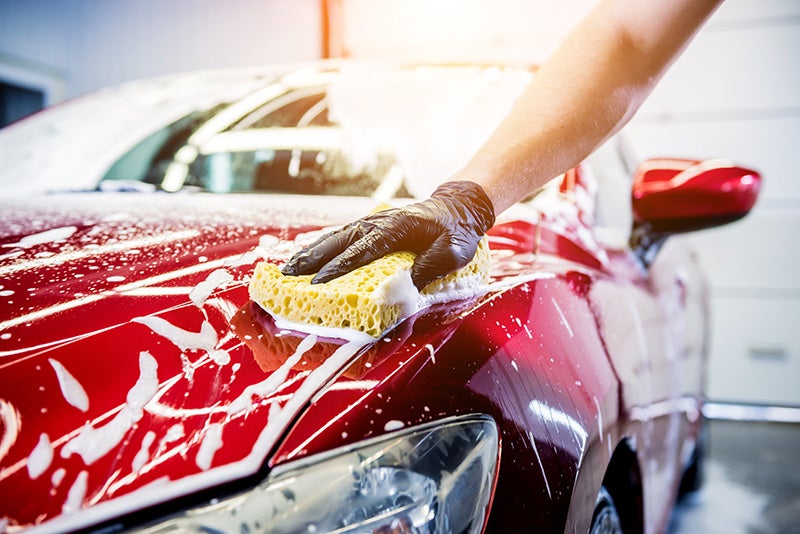
Clean It Like You're Selling It, Because You Are
A trade-in is a sale, even though it does not always feel like one. A thorough interior detail, meaning vacuumed carpets and seats, wiped-down surfaces, and a clean trunk or bed, makes a real difference in how an appraiser perceives the vehicle's overall condition. Odors matter more than most people expect, so address pet smells, smoke residue, or mildew before your appointment rather than masking them with air fresheners, which appraisers tend to notice immediately. On the outside, a wash and vacuum of the wheel wells go a long way, and a set of clean floor mats is a small, inexpensive detail that signals a well-cared-for vehicle.

Gather Your Paperwork Ahead of Time
Bring your title or loan payoff information, all sets of keys and remotes, and any maintenance records you have, even informal ones like oil change receipts. A documented service history reassures an appraiser that the vehicle has been cared for, which matters just as much as its physical condition. If your vehicle has a clean history report, that is worth mentioning too. Our own guide on why a Carfax 1-owner history matters explains why buyers and appraisers alike put real weight on a documented, consistent ownership history.
Small Fixes Worth Making Before Your Appraisal
A few inexpensive repairs consistently pay for themselves in a higher offer.
- Replace any burnt-out headlights, taillights, or interior bulbs. These are cheap fixes that otherwise read as neglect.
- Top off all fluids and replace a dirty cabin air filter if it is easy to check.
- Fix small, inexpensive dashboard warning lights, like a loose gas cap triggering a check engine light, if the fix is quick and cheap.
- Touch up minor scratches or chips with a touch-up pen if it is a five-minute job.
- Replace badly worn wiper blades, since this is one of the first things many appraisers check.
Fixes to Skip: Don't Overspend Before You Trade
It is just as important to know where not to spend money. A full repaint or bodywork almost never returns what it costs, since an appraiser is pricing the vehicle's overall condition and history, not chasing a showroom-quality finish. Unless your tires are dangerously worn, new tires rarely add enough value to justify the cost, since most buyers or dealers factor tire condition into a broader inspection anyway. Skip major mechanical repairs beyond basic safety items too. It is worth asking your dealer directly whether a specific repair is worth making before your appraisal, since the honest answer is often no.
Know Your Number Before You Go
Getting an estimate ahead of time removes the guesswork and gives you a real baseline to compare against. You can value your trade online in just a few minutes before you ever visit, and it is smart to cross-check that estimate against a couple of other valuation tools so you walk in with realistic expectations rather than a number pulled from thin air.
It also helps to be honest with yourself about your vehicle's actual condition when you run these numbers. Online estimators typically ask you to self-report condition, and overstating it just sets you up for a smaller gap between the online estimate and the in-person appraisal. A realistic starting number, even a slightly conservative one, makes for a smoother, more transparent conversation once you're in front of an appraiser.
What Increases Value More Than You'd Guess
Low Mileage
Low mileage relative to the vehicle's age matters more than a spotless paint job, since it signals less mechanical wear regardless of cosmetic condition.
Documented Ownership
A single, well-documented previous owner is another meaningful plus, since it usually means a more consistent maintenance history than a vehicle that changed hands several times.
Smoke-Free Interior
A smoke-free interior is worth more than people realize too, since smoke odor is difficult and expensive to fully remove and it noticeably narrows the pool of buyers for that vehicle down the road.
None of these are things you can change after the fact, but they are worth keeping in mind for how you use and maintain a vehicle you plan to trade in eventually.
Timing Your Trade-In
Mileage matters more than exact age in most cases, so trading in before you cross a major mileage threshold, like 60,000 or 100,000 miles, can meaningfully help your number. Trading in before a known, expensive maintenance item comes due, like a timing belt or major service interval, also tends to work in your favor. And if a warning light or mechanical issue pops up, it is usually smarter to trade in sooner rather than waiting and hoping the problem stays minor, since a developing issue rarely improves the longer you wait.
Seasonal demand can shift your number too. Trucks and 4x4s tend to see stronger demand and slightly better trade offers heading into fall and winter, while convertibles, sports cars, and SUVs suited to road trips often do a little better in spring. It is not a dramatic swing, but if your timing is flexible, it is worth keeping in mind.
How a Trade-In Compares to Selling Privately
A private sale can sometimes bring a higher price, but it comes with real costs of its own: time spent on listings and showings, the hassle of meeting strangers, and the risk of a deal falling through after you have already committed to a new vehicle. Trading in is faster, safer, and more convenient, and in Texas, trading in also carries a real financial advantage that a lot of buyers overlook: state motor vehicle sales tax is calculated on the price of your new vehicle after your trade-in value is subtracted, which effectively lowers the taxable amount and puts real money back in your pocket that a private sale simply does not offer.
How Trade-In Equity Works With Financing
Your trade-in value applies directly toward your next purchase, lowering the amount you need to finance. Once you have a trade estimate in hand, you can get pre-approved for financing to see your real budget, and use our payment calculator to see exactly how your trade equity changes your monthly payment before you commit to anything.
Why Trade In at Arrow Point Auto Mall
Our appraisal team gives straightforward, honest numbers, and we are glad to walk through exactly what would or would not move your specific vehicle's value before you spend a dime preparing it. Whether your trade-in becomes a down payment or covers your full purchase outright, our finance team can walk you through exactly how the numbers work before you sign anything. Explore our current used vehicle specials, browse vehicles under $25,000 if you are looking to maximize your equity toward a great value, or read what other customers are saying in our customer reviews before you bring your vehicle in.
Ready to Find Your Next Vehicle?
Frequently Asked Questions
Do I need to fix everything on my car before trading it in?
No. Focus on inexpensive fixes like burnt-out bulbs, worn wiper blades, and minor touch-ups, and skip expensive repairs like a full repaint or major mechanical work, which rarely return what they cost. A dealer appraisal accounts for overall condition, not showroom perfection.
Should I get my car detailed before an appraisal?
Yes. A clean interior and exterior, free of pet odors, smoke smell, or clutter, genuinely influences how an appraiser perceives your vehicle's condition, and it is one of the most cost-effective things you can do before your visit.
Does a Carfax report affect my trade-in value?
Yes. A clean, well-documented history with consistent maintenance and no reported accidents typically supports a stronger trade-in offer than a vehicle with an inconsistent or unclear history.
What paperwork do I need to bring for a trade-in?
Bring your title or loan payoff information, all keys and remotes, and any maintenance records you have, even informal receipts. This documentation helps support a stronger, more accurate appraisal.
Can I trade in a car I still owe money on?
Yes. Our team can look up your payoff amount and factor it into the transaction. If your trade-in is worth more than you owe, the difference applies toward your next vehicle. If you owe more than it is worth, we can walk you through your options.
How is my trade-in value actually calculated?
Appraisers weigh the vehicle's mileage, overall condition, accident and maintenance history, and current market demand for that make and model. You can get a preliminary estimate using our online trade value tool before your visit.

Although every reasonable effort has been made to ensure the accuracy of the information contained on this site, absolute accuracy cannot be guaranteed. This site, and all information and materials appearing on it, are presented to the user "as is" without warranty of any kind, either express or implied. All vehicles are subject to prior sale. Price does not include applicable tax, title, license, and $225 documentation fee. ‡Vehicles shown at different locations are not currently in our inventory (Not in Stock) but can be made available to you at our location within a reasonable date from the time of your request, not to exceed one week.