

Gas vs. Diesel: Which Do You Actually Need?
The Question Every Truck Shopper Eventually Asks
If you are covering serious miles, hauling heavy equipment, or pulling a trailer or RV on a regular basis, you have probably wondered whether a diesel is worth the extra upfront cost, or whether a modern gas engine can handle the job just fine. There is no single right answer, but there is a clear, honest way to think through it, and that is what this guide is for. The team at Arrow Point Auto Mall walks through this decision with buyers every week.
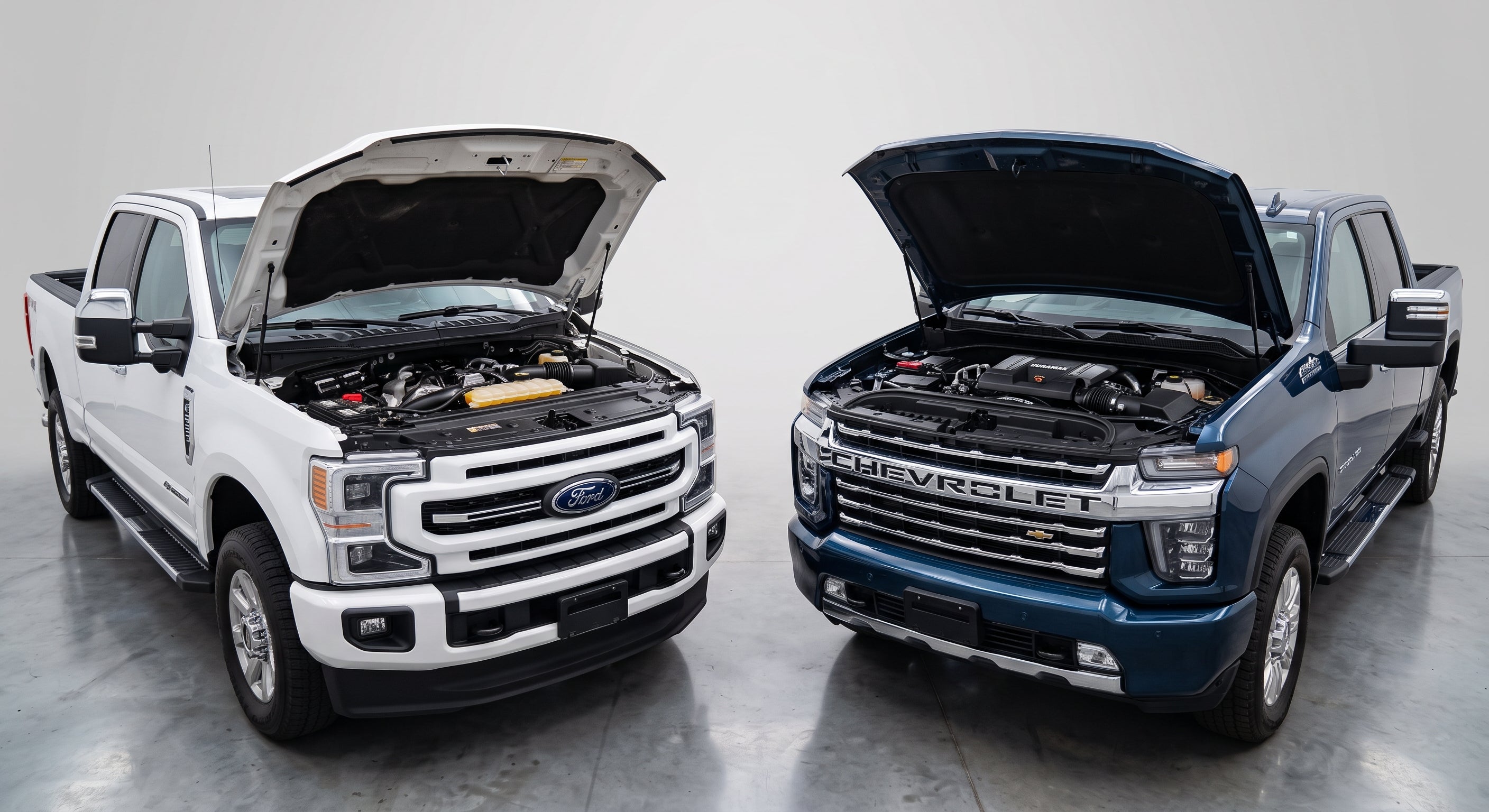
How Gas and Diesel Engines Actually Differ
Diesel engines deliver strong torque at low RPM, which is exactly the kind of power that matters for sustained heavy towing and climbing grades without downshifting constantly. They also typically return 20 to 35 percent better fuel economy than a comparable gas engine, a gap that widens further when towing. Gas engines rev higher, generally cost less upfront, and modern gas V8s and turbocharged six-cylinders have closed much of the towing gap for mid-weight trailers, meaning a diesel is no longer the automatic answer it once was for every towing scenario.
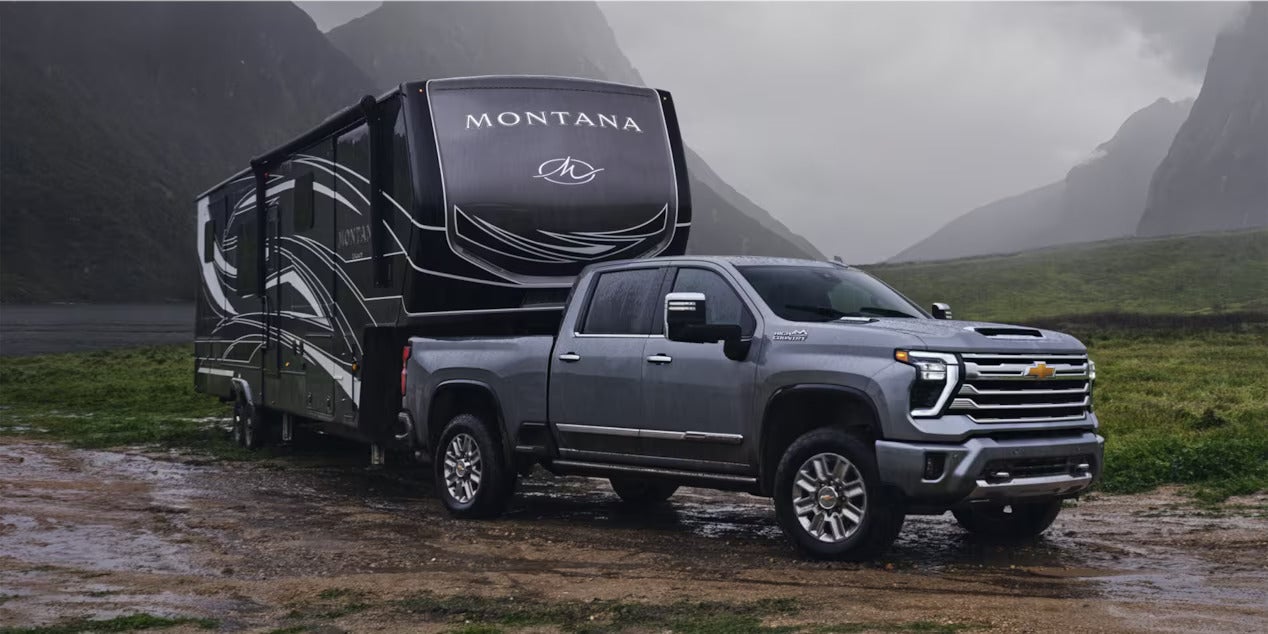
Towing and Longevity: Where Diesel Pulls Ahead
Diesel's advantage shows up clearest on long highway tows. Chevrolet's 3.0-liter Duramax inline-six diesel, for example, delivers around 495 lb-ft of torque and roughly 28 mpg on the highway, figures that are difficult for a gas engine to match while pulling a heavy trailer for hours at a time. Diesel engines are also commonly cited as capable of 300,000 to 500,000-plus miles with disciplined maintenance, compared to roughly 200,000 to 300,000 miles for a well-maintained gas engine, though actual longevity always depends heavily on maintenance history rather than fuel type alone.
The True Cost of Diesel Ownership
Diesel fuel typically costs more per gallon than regular or mid-grade gasoline, and that gap shows up every time you fill up. Routine maintenance costs more too. Diesel oil changes commonly run $150 to $250 or more due to larger oil capacity and required synthetic oil, compared to $60 to $120 for a typical gas engine oil change. Diesel Exhaust Fluid, or DEF, adds a modest but ongoing cost. The bigger risk is on the repair side: diesel-specific components like injectors, turbochargers, EGR coolers, and DPF systems can be considerably more expensive to repair than comparable gas engine issues when something does go wrong.
Where Gas Engines Still Win
For buyers who tow occasionally, commute daily, or run moderate loads rather than maximum-capacity trailers, a well-chosen gas engine is often the smarter financial call. The upfront price premium for diesel, frequently $8,000 to $12,000 or more, combined with higher ongoing maintenance costs, rarely pays for itself unless you are covering serious annual mileage or towing heavy loads on a regular basis. Ram's Hurricane twin-turbo inline-six, which produces up to 540 horsepower and 521 lb-ft of torque in its higher-output tune, is a good example of how far modern gas and turbo-gas engines have come toward closing the performance gap.
When Diesel Actually Pays Off
Diesel tends to make the most financial and practical sense for owners who tow heavy trailers or RVs regularly, drive 15,000 or more miles a year, or plan to keep the truck for a very long time and want maximum durability. If your towing is occasional, your loads are moderate, or your annual mileage is average, the math usually favors gas.
Reliability Notes on the Used Diesel Market
Diesel-specific reliability varies meaningfully by engine and model year, which matters a lot when shopping used.
Ford Power Stroke
Early 6.7-liter Power Stroke years, roughly 2011 through 2014, are more associated with EGR cooler and injector issues. The 2015-and-later redesign is generally regarded as more durable.
GM Duramax
The LML-generation Duramax, built from 2011 through 2016, is well documented for CP4 fuel pump failures that can contaminate the fuel system if not caught early. The L5P generation from 2017 onward is generally considered more reliable, though DEF and emissions components remain a recurring cost item across the diesel segment.
Ram Cummins
The 6.7-liter Cummins is widely regarded as the most durable of the major diesel engines long-term, though pre-2019 trucks carry the same DPF and EGR emissions-system maintenance concerns common to that era of diesel engines.
Ram EcoDiesel
The half-ton 3.0-liter EcoDiesel V6 had notable reliability and emissions-related issues in its first generation, roughly 2014 through 2019. The redesigned 2020-and-later version is improved but still has less of a proven long-term track record than the larger Cummins.
Emissions Equipment: DEF, EGR, and DPF Explained
Modern diesel trucks carry emissions hardware that gas trucks simply do not have, and understanding it helps explain where diesel's extra maintenance cost actually comes from. Diesel Exhaust Fluid, or DEF, is injected into the exhaust stream to reduce nitrogen oxide emissions and needs periodic refilling, usually every several thousand miles. The EGR, or exhaust gas recirculation system, routes some exhaust back through the engine to lower combustion temperatures, and its cooler is a common failure point on older diesel engines. The DPF, or diesel particulate filter, traps soot and periodically burns it off in a process called regeneration. All three systems add real capability toward cleaner emissions, but they are also the parts most likely to generate a costly repair bill as a diesel truck ages, which is worth factoring into any used diesel purchase.
So, Which Do You Actually Need?
There is rarely a universally right answer, only a right answer for how you specifically use a truck. Be honest about how often you actually tow near maximum capacity, how many miles you put on in a typical year, and how long you plan to keep the vehicle, since all three of those factors matter more to the gas-versus-diesel decision than any single spec on a window sticker.
| Use Case | Gas or Diesel | Why |
|---|---|---|
| Daily commuting, occasional light towing | Gas | Lower upfront cost, cheaper routine maintenance |
| Regular towing of a mid-weight trailer or boat | Either | Modern gas V8s and turbo-sixes now handle most mid-weight loads well |
| Frequent heavy towing, RVs, or 5th-wheel campers | Diesel | Low-RPM torque and highway fuel economy pay off on long, heavy tows |
| High annual mileage, 15,000+ miles/year | Diesel | Fuel savings and long-term durability offset the higher upfront and maintenance cost |
What to Check on a Used Diesel Before You Buy
Ask for maintenance records covering injector, turbo, EGR, and DPF service, since these components carry the highest repair costs if neglected. Confirm the DEF system is functioning properly, and if the truck has towed heavy loads regularly, ask whether it has ever been weighed at a CAT scale to confirm it stayed within its rated limits. Every vehicle at Arrow Point Auto Mall includes a Carfax vehicle history report, and our team can walk through a specific diesel truck's service history with you before you buy.
Why Buy Your Next Gas or Diesel Truck from Arrow Point Auto Mall
Arrow Point Auto Mall carries a wide, regularly updated mix of gas and diesel trucks, and our team can help you run the real numbers on both before you decide. If you want to compare specific half-ton models first, our F-150 vs. Silverado 1500 vs. Ram 1500 comparison is a great next stop, along with our guide to understanding payload vs. towing capacity. You can also browse our current used vehicle specials or read what other truck owners are saying in our customer reviews.
Ready to Find Your Next Truck?
Frequently Asked Questions
Is a diesel truck worth the extra cost if I only tow occasionally?
Usually not. The diesel price premium, often $8,000 to $12,000 or more upfront, plus higher routine maintenance costs, rarely pays for itself unless you tow heavy loads regularly or rack up high annual mileage. A well-chosen gas engine typically makes more financial sense for occasional or light towing.
How much more does it cost to maintain a diesel truck?
Diesel oil changes typically run $150 to $250 or more compared to $60 to $120 for gas engines, and diesel fuel usually costs more per gallon than gasoline. DEF fluid adds a modest ongoing cost, and diesel-specific repairs like injectors or turbochargers can be significantly more expensive than comparable gas engine repairs.
Which used diesel engine is considered the most reliable?
The Ram Cummins 6.7-liter is widely regarded as the most durable long-term, though pre-2019 trucks still carry typical DPF and EGR emissions-system maintenance needs. Later Power Stroke, 2015 and newer, and Duramax L5P, 2017 and newer, generations are also considered notably more reliable than their earlier counterparts.
Can a gas truck tow a camper or RV well enough?
Often, yes, especially for mid-weight trailers. Modern gas V8s and turbocharged six-cylinder engines have closed much of the towing gap with diesel for moderate loads. Diesel still holds a real advantage for the heaviest trailers and long, sustained highway towing.
What diesel model years should I be cautious about buying used?
Early 6.7-liter Power Stroke trucks, roughly 2011-2014, and LML-generation Duramax trucks, 2011-2016, are associated with specific known issues, including EGR cooler and injector problems and CP4 fuel pump failures, respectively. Later generations of each are generally considered more reliable, but a full maintenance history is always worth reviewing regardless of model year.
Can Arrow Point help me finance a diesel truck?
Yes. Our finance team works with multiple lenders to find competitive terms on both gas and diesel trucks, and you can get pre-approved online before your visit so you know your budget ahead of time.

Although every reasonable effort has been made to ensure the accuracy of the information contained on this site, absolute accuracy cannot be guaranteed. This site, and all information and materials appearing on it, are presented to the user "as is" without warranty of any kind, either express or implied. All vehicles are subject to prior sale. Price does not include applicable tax, title, license, and $225 documentation fee. ‡Vehicles shown at different locations are not currently in our inventory (Not in Stock) but can be made available to you at our location within a reasonable date from the time of your request, not to exceed one week.